When your indoor fancoil unit turns on and blows air but fails to cool the room, the issue often stems from the outdoor condenser unit. If the outdoor fan is spinning but you do not hear the deep, steady hum of the compressor, your air conditioner is essentially functioning as an ordinary fan.
The compressor acts as the heart of the system, circulating refrigerant through copper piping to transfer heat outdoors. While a non-responsive compressor may seem like a major failure, it is frequently caused by a smaller, easily replaceable component or an automatic safety shutdown rather than a complete compressor breakdown.
Primary Causes of Aircon Compressor Failure
Compressor issues generally fall into three operational categories: electrical component faults, thermal overheating, or system safety trips.
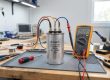
- Failed Motor Capacitor: The run/start capacitor provides the high-voltage jolt required to kick-start the compressor motor. When it fails, the compressor may emit a faint buzz or hum before tripping out without starting.
- Worn-Out Contactor Switch: The contactor is an electromechanical switch that regulates power flow to the compressor. Over time, electrical arcing pitting on the contact points prevents voltage from reaching the motor.
- Thermal Overload Shutdown: Heavy dirt accumulation on outdoor condenser coils or a failing outdoor fan motor prevents heat dissipation. The resulting thermal and pressure buildup triggers the compressor’s internal safety switch.
- Triggered Condensate Float Switch: A clogged indoor drain line causes water to back up in the drain pan. An integrated safety float switch automatically cuts power to the outdoor compressor to prevent indoor water overflow and structural damage.
- Low Refrigerant Pressure: Refrigerant leaks drop system pressure below operational thresholds, triggering a low-pressure sensor that disables the compressor to prevent internal mechanical damage.
Diagnostic Matrix: DIY Checks vs. Professional Electrical Repair
Use this guide to distinguish between safe observational checks and issues requiring a licensed technician:
| Symptom / Cause | Safe DIY Diagnostic | Professional Repair Action |
| Faulty Capacitor / Contactor | Check if the outdoor fan spins while the compressor remains silent or hums. | Test voltage levels, discharge high-voltage capacitors safely, and replace faulty parts. |
| Overheating Outdoor Coil | Ensure 2 feet of clear space around the outdoor unit; inspect fins for debris. | Perform high-pressure chemical jet washing on outdoor condenser coils. |
| Failing Outdoor Fan Motor | Visually check if the top fan blade spins freely or appears stuck/sluggish. | Replace damaged fan bearings, replace the fan motor capacitor, or install a new motor. |
| Clogged Drain Line (Float Switch) | Inspect indoor unit for water drips; clear visible external drain hose outlets. | Flush blocked condensate lines with high-pressure air/water to reset safety switches. |
| Refrigerant Gas Leak | Inspect copper pipe connections at the outdoor unit for visible oil residues. | Conduct nitrogen pressure testing, locate and repair copper pipe leaks, and top up gas. |
Preventative Steps for Outdoor Units in Singapore
- Maintain Clear Exhaust Boundaries: Keep plants, laundry racks, and storage items at least two feet away from the outdoor condenser unit to ensure proper heat dissipation.
- Schedule Regular Chemical Jet Washing: Keep outdoor condenser fins free of tropical dust and grime to prevent thermal overload shutdowns during hot afternoons.
- Address Water Drainage Issues Early: Regular servicing prevents bio-slime from triggering safety cut-off switches and turning off your compressor unexpectedly.
Need Professional Aircon Compressor Repair in Singapore?
If your air conditioner compressor fails to start, makes unusual buzzing sounds, or trips your main circuit breaker, professional diagnostic tools are required to test electrical components safely.
Contact Our Experts Today:
- Company Name: Aircon Servicing & Repair Singapore
- Address: 269 Bukit Batok East Ave 4, Singapore 650269
- Phone: +65 9855 3721
- WhatsApp: Chat on WhatsApp