Toshiba vs Mitsubishi Aircon Singapore 2026 (Honest Comparison)

When shopping for a new air conditioning system in Singapore, many homeowners find themselves confused by a common market myth: the belief that Mitsubishi Electric and Mitsubishi Heavy Industries (MHI) are the exact same brand. In reality, they are two entirely separate, competing Japanese corporate giants that share the famous three-diamond logo. Choosing the wrong…
Which Aircon Mode Saves Electricity? Real Singapore Numbers (2026)

When homeowners in Singapore shop for a new air conditioning system, they are often confused by the two distinct giants bearing the iconic three-diamond logo: Mitsubishi Electric (ME) and Mitsubishi Heavy Industries (MHI). A common misconception is that they are the same corporation or that one is simply a subsidiary of the other. In reality,…

Is It Safe to Use Aircon Drain Water? What You Need to Know

Choosing the right air conditioning refrigerant directly impacts your monthly electricity bills, cooling performance, environmental footprint, and long-term maintenance costs. In Singapore, the debate between R32 1. Overview & Refrigerant Fundamentals Modern air conditioners rely on chemical refrigerants to absorb indoor heat and release it outdoors. Understanding how these gases differ helps explain why newer…

Aircon Coils Getting Dirty Quickly? Here’s What’s Causing It

Choosing or maintaining an air conditioner in Singapore means interacting with the cooling gas circulating through your system’s copper pipes. With Singapore’s National Environment Agency (NEA) standards and global climate regulations prioritizing high-efficiency, low-impact solutions, the shift from older refrigerants like R410A to next-generation R32 directly impacts your monthly electricity bills, service costs, and system…

Indoor-Only Aircon: What to Know

In Singapore’s year-round tropical heat, air conditioning is often the single largest contributor to a household’s monthly electricity bill. When shopping for a new aircon system or calling in technicians for repair work, most homeowners focus heavily on upfront brand costs and energy-efficiency ratings (NEA green ticks). However, the hidden chemical force driving your aircon—its…

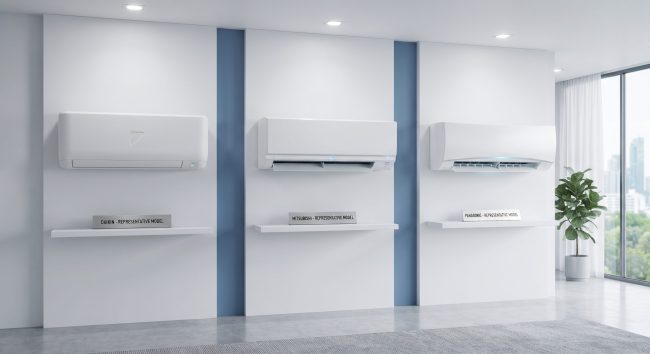
Daikin vs. Mitsubishi vs. Panasonic: The Definitive 2026 BTO Aircon Guide

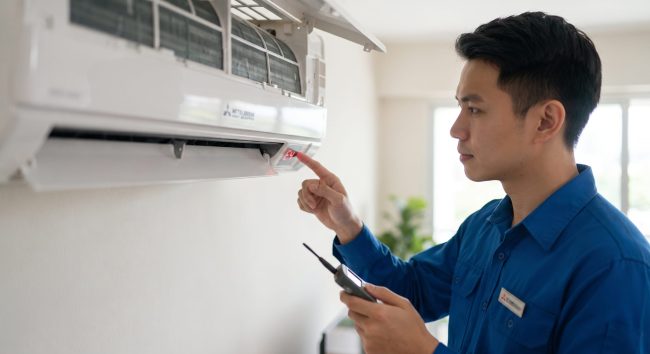
When an issue occurs with a Mitsubishi air conditioner, an error code or flashing LED pattern will display on the indoor unit panel or wired remote controller. Understanding these diagnostic prefixes helps identify the fault category quickly: P Series: Indoor unit sensor, drainage, and freeze protection faults E Series: Remote controller and indoor-outdoor communication errors…

Mitsubishi Electric vs Mitsubishi Heavy: The Comparison Singapore Gets Wrong

(When Parents, Kids, and Light Sleepers Need Clear Diagnostics) When your Mitsubishi air conditioner (such as the popular Starmex residential series or Mr. Slim commercial units) suddenly stops cooling and starts blinking indicator lights or showing error codes like P1, E6, or U2, it’s signaling an internal fault. Understanding these error codes helps you determine…

The Hidden Dangers of DIY Aircon Chemical Wash

Mitsubishi air conditioning systems—particularly the highly popular Starmex series—are renowned for their reliability, quiet operation, and energy efficiency in Singapore homes. However, when a system encounters an anomaly, it communicates the issue via error codes displayed on the indoor unit’s LED indicator flashes or the wired controller. Understanding these codes helps you identify whether a…

Sharp Aircon Error Codes Singapore (Complete Guide 2026)

Hitachi air conditioning systems are widely installed across HDB flats, condominiums, and commercial spaces in Singapore. When a malfunction occurs, the system triggers self-diagnostic error codes (often displayed as alphanumeric codes or blinking LED indicators on the indoor unit) to pinpoint the exact issue. Understanding these codes helps homeowners determine whether a quick reset will…

Is Aircon Necessary At Night?

In Singapore’s tropical climate, overnight temperatures frequently hover above 26°C with humidity levels exceeding 80%. Body temperature naturally drops during sleep cycles, and high ambient humidity interferes with the body’s natural heat regulation. While running an air conditioner at night is not strictly mandatory, it significantly improves sleep quality by controlling temperature and stripping excess…