AC Disposal & Recycling Properly

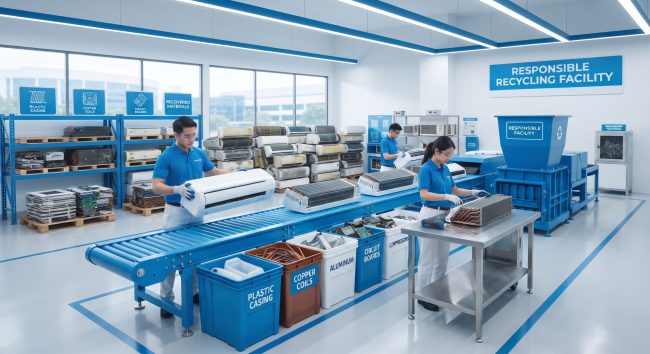
Air conditioners are classified as regulated consumer e-waste under National Environment Agency (NEA) regulations. Proper disposal requires specialized handling to pump down high-pressure refrigerants, safely reclaim heavy metals (copper, steel, aluminum), and prevent hazardous atmospheric leakage or landfill contamination. Authorized Disposal Channels (Singapore) Disposal Channel Cost Best Suited For Key Operational Guidelines Retailer 1-for-1 Take-Back…

What If Your Aircon BTU Is Too High?

Installing an oversized air conditioner—where the BTU/h (British Thermal Units per hour) capacity significantly exceeds the thermal load of the room—is a common mistake. While it cools the air rapidly, an oversized unit degrades indoor environmental quality, increases electricity bills, and shortens the operational lifespan of key mechanical components. Key Operational Differences: Properly Sized vs.…

The Big Difference Between Office and Residential Aircon Maintenance

Maintaining commercial office air conditioning systems involves significantly higher operational complexity, continuous mechanical load, and strict indoor air quality (IAQ) compliance compared to residential servicing. While home aircons are used intermittently, office systems run continuously at high capacity, serving high-occupancy environments that require specialized commercial maintenance protocols. Commercial vs. Residential Aircon Maintenance Matrix Parameter /…

The Astonishing Truth Behind Why Your Aircon Makes One Room Feel Colder

The reason two rooms set to the exact same thermostat temperature ($24^circtext{C}$) can feel vastly different comes down to microclimates and heat transfer mechanics. Your air conditioner controls overall air temperature at its thermostat sensor, but human perception of cold depends on humidity levels, air velocity across your skin, radiant heat, and room geometry. Environmental…

Sustainable Cooling: How to Keep Your Aircon Eco-Efficient

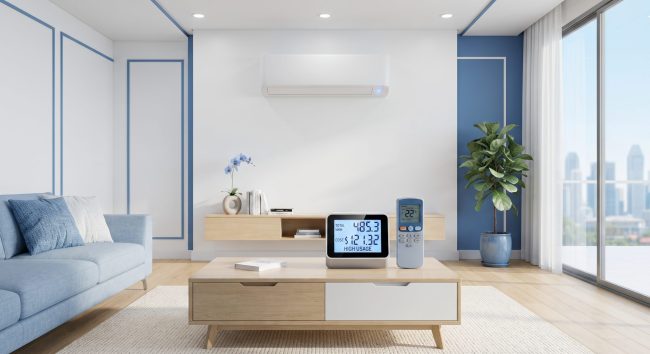
Sustainable cooling balances daily thermal comfort with energy efficiency. Implementing straightforward operational adjustments alongside timely maintenance prevents excessive power usage and extends component lifespan in tropical climates. Core Principles of Eco-Efficient Cooling Target 24°C–26°C Setpoints: Each 1°C increase on the thermostat yields a 6%–10% reduction in power consumption. Setting temperatures below 24°C forces continuous compressor…

Extend Your Aircon’s Life: The Little-Known Servicing Secrets Technicians Want You to Know

Proactive maintenance prevents major component failures, keeps electricity bills low, and extends the operational lifespan of residential air conditioning units in hot, humid climates like Singapore. Critical Servicing Actions & System Impacts Deep Evaporator Coil Flush: Removing hidden grime and fungal layers from internal heat exchanger fins restores thermal absorption, preventing compressor strain and short-cycling.…

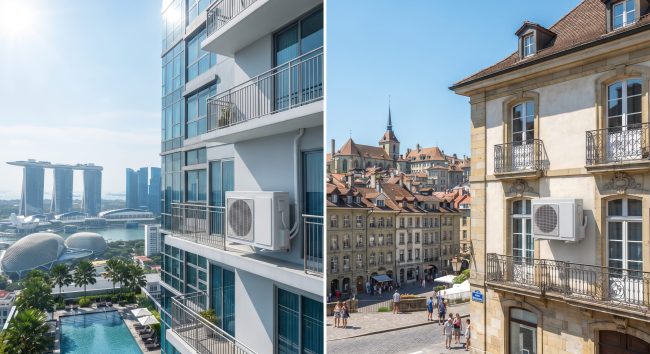
Singapore vs Europe: Why We Cool Differently, and What Europe’s Heatwave Teaches Us About AC Efficiency

Singapore’s tropical climate and year-round high humidity make air conditioning an absolute necessity rather than a luxury. With over 80% of resident households utilizing air conditioning, understanding system trends, energy standards, and common performance metrics is essential for efficient home and office cooling. Overview & Market Trends Breakdown The air conditioning landscape in Singapore is…

How Aircon Dry Mode Actually Works (Singapore 2026 Guide)

An air conditioner’s Dry Mode prioritizes moisture extraction over temperature reduction. While Cool Mode runs the compressor continuously at higher fan speeds to lower room temperature, Dry Mode operates the indoor fan at its lowest speed and cycles the compressor in brief intervals (5–10 minutes) to condense humidity without overcooling the room. Mechanical Process: How…