It is not bad luck—it is physics. Data from the Cooling Singapore 2.0 project and the Digital Urban Climate Twin shows that some Singapore neighborhoods sit 3°C to 6°C hotter than others due to the Urban Heat Island (UHI) effect. Dense concrete estates, industrial zones, and glass-heavy CBD towers create localized heat traps, forcing aircon outdoor units to work harder, consume more power, and fail prematurely.
Singapore Microclimate Heat Matrix & Temperature Variance
| Neighborhood / Zone | Temperature Variance vs. Green Zones | Key Environmental Drivers | Impact on Aircon Performance |
| Telok Ayer / Raffles Place (CBD) | +5.5°C to +6.5°C | Urban canyon effect, glass building heat reflection, zero vegetation. | Reflected heat risks cooking inverter PCBs; severe power draw spikes. |
| Jurong East / Industrial West | +4.0°C to +5.0°C | Industrial waste heat from Jurong Island, heavy traffic, dark asphalt. | Industrial particulates coat condenser coils 3x faster, insulating heat. |
| Punggol / Sengkang | +3.5°C to +4.5°C | High-density BTO block layout blocking wind; cramped service yards. | Heat recirculation causes short-cycling; compressor lifespans drop significantly. |
| Geylang / Marine Parade | +3.0°C | Compact low-rise geometry, narrow streets, dense building coverage. | Continuous high ambient intake temperature keeps unit running non-stop. |
| Choa Chu Kang | +2.5°C to +3.5°C | Absence of coastal breezes; MRT/LRT concrete thermal mass; afternoon sun. | Accelerated mechanical wear due to high afternoon ambient temperatures. |
| Active Construction (Tengah / NSC) | Localized High Stress | Heavy diesel machinery heat, cleared trees, fine dust airborne particles. | Fine dust chokes outdoor coils in weeks, cutting heat exchange efficiency. |
| Bukit Timah / Upper Peirce (Baseline) | 0.0°C (Base Level) | 88% water and vegetation coverage; abundant natural wind flow. | Optimal operating conditions; standard 10–12 year system lifespan. |
Technical Diagnostic Quick-Guide: Extreme Heat & Dust Symptoms
When outdoor ambient temperatures exceed the standard T1 design limit (35°C), modern inverter systems exhibit specific diagnostic signals and operational errors:
- Short-Cycling (Tripping Every 3–5 Mins): Caused by hot exhaust air bouncing off service yard louvers back into the intake (50°C+ ambient). High-pressure safety switches trip the compressor repeatedly.
- Compressor Oil Breakdown & Seizure: Shell temperatures exceeding 105°C cause oil to thin out, leading to severe metal-on-metal friction and total compressor failure.
- EC / E425 Error (Refrigerant Leakage): Sustained high-temperature expansion and vibration cause thermal stress micro-cracks on copper flare joints.
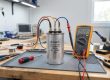
- U4 / CH05 Error (PCB Overheating): Inverter Printed Circuit Boards overheat due to insufficient airflow in boxed-in service yards.
Safe DIY Homeowner Checks vs. Professional Technician Scope
Adapting your maintenance routine to your neighborhood’s thermal profile is essential for preventing early system replacement.
| Maintenance Area | Safe DIY Checks (Homeowner Scope) | Professional Technician Scope |
| Indoor Unit Filters | Wash mesh filters every 2 weeks (heat islands) or weekly (construction zones). | Chemical washing or full chemical overhaul to clear stubborn micro-dust. |
| Service Yard & Louvers | Keep service yard clear of laundry, storage racks, or obstructions in front of fan. | Airflow audit; installation of specialized air deflectors to direct exhaust upward. |
| Outdoor Condenser Unit | Inspect outdoor coils visually for heavy dust layers or debris accumulation. | Quarterly high-pressure chemical flushing of outdoor coils; application of blue/gold anti-corrosion fins. |
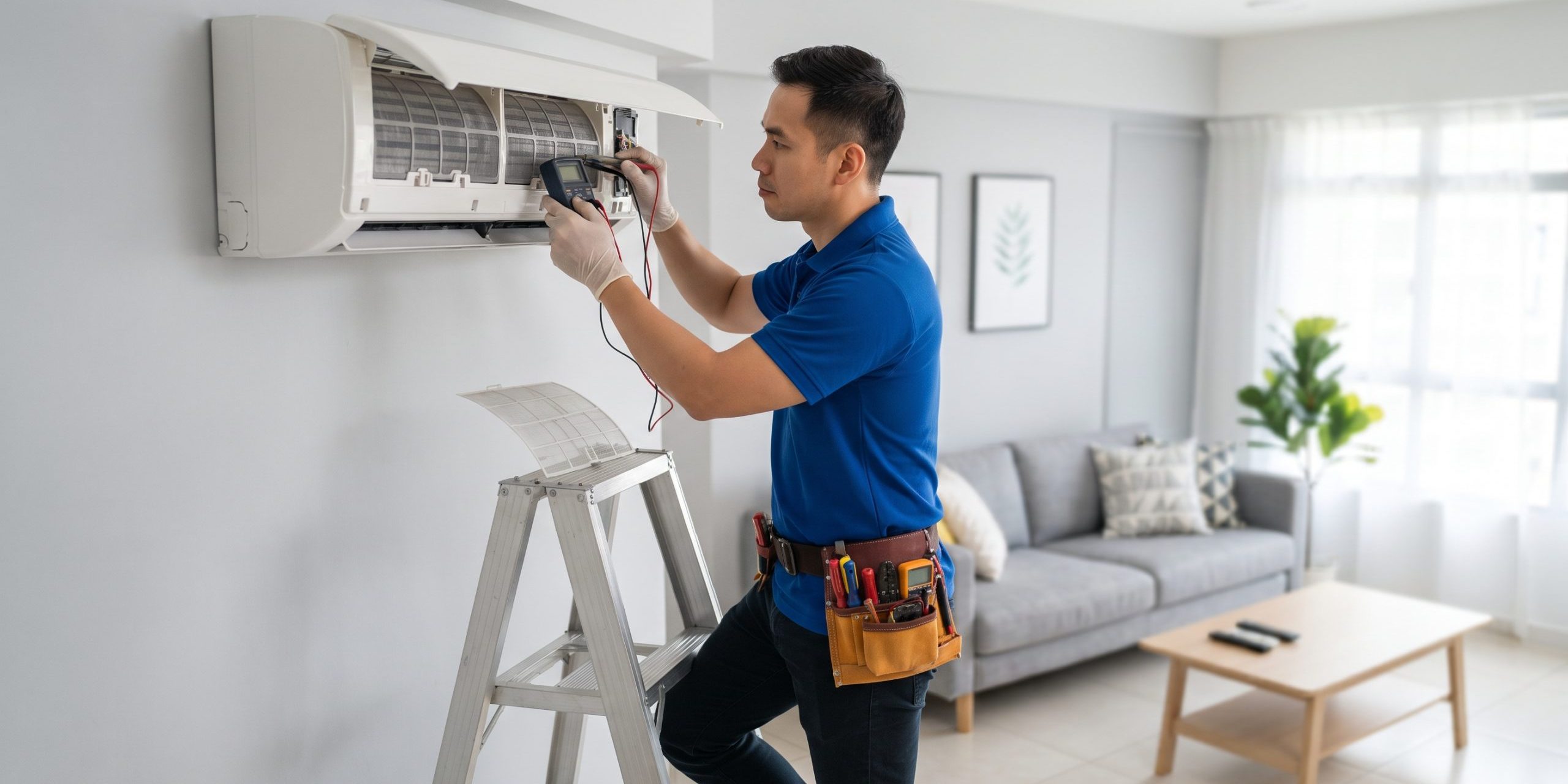
| System Diagnostics | Ensure clear remote signal and check for error blink codes on front panels. | Electrical PCB thermal checks, nitrogen pressure testing, flare joint re-flaring, and R32 regassing. |
Location-Based Servicing Frequency & Price Guidelines (Singapore)
| Neighborhood Microclimate Zone | Recommended Servicing Frequency | Chemical Wash / Overhaul Schedule | Typical Service Cost (SGD) |
| Green Zones (Bukit Timah, Thomson) | Every 12 Months | Chemical Wash every 2–3 Years | General: $30 – $40 / unit |
| Moderate Heat Zones (Bedok, Tampines) | Every 8–9 Months | Chemical Wash every 18 Months | Chemical Wash: $110 – $130 / unit |
| Heat Island Zones (Jurong, Punggol, CBD) | Every 6 Months | Annual Chemical Wash / Overhaul | Chemical Overhaul: $150 – $180 / unit |
| Construction Zones (Tengah, NSC Corridor) | Every 4–6 Months | Chemical Wash every 8–9 Months | Diagnostic Visit: ~$50 (Waived on repair) |
Professional Aircon Servicing, Repair & Installation
Managing cooling systems in Singapore’s high-heat microclimates requires specialized technical knowledge and location-matched maintenance plans.
Contact Our Experts Today:
- Company Name: Aircon Servicing & Repair Singapore
- Address: 269 Bukit Batok East Ave 4, Singapore 650269
- Phone: +65 9855 3721
- WhatsApp: Chat on WhatsApp