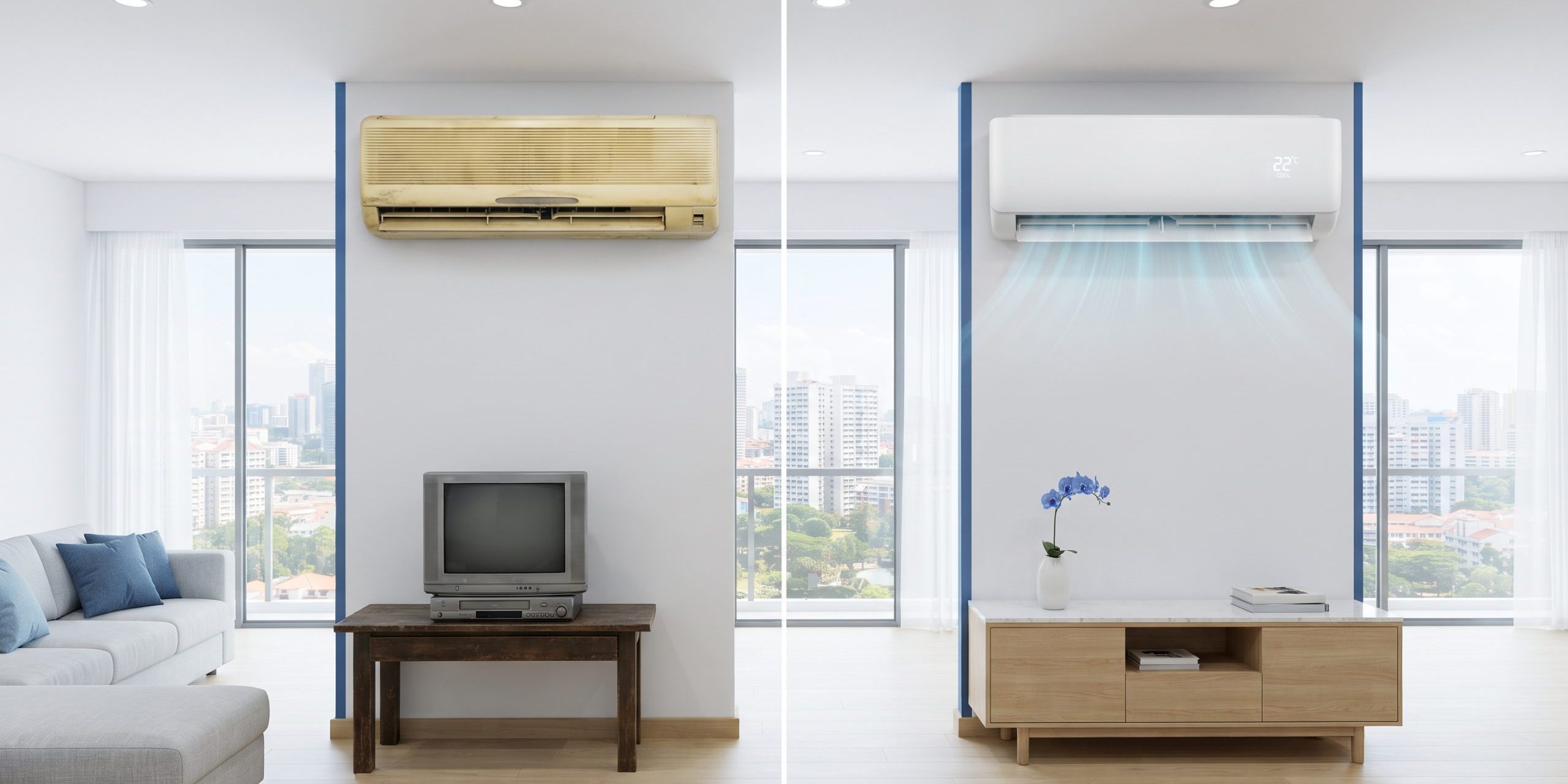
Balancing the ideal indoor climate in Singapore’s tropical environment can be challenging, especially when sharing a living space or bedroom with a newborn, toddler, and adults. While adults often prefer cooler environments (around 21°C to 23°C), infants and young children require a warmer, safer range (typically 24°C to 26°C) to prevent sudden chills and respiratory discomfort.
To optimize family aircon usage and maintain a healthy nursery, the management and zoning principles are categorized as follows:
- Thermal Comfort Zones: Understanding the distinct metabolic differences between adults and developing infants.
- Airflow & Draft Directing: Preventing direct cold air drafts from blowing over cribs or toddler beds.
- Air Quality & Filtration: Managing indoor dust, allergens, and humidity levels to protect sensitive infant respiratory systems.
- System Efficiency & Cleanliness: Ensuring clean coils and filters to prevent mold spores and bacteria growth in family spaces.
1. How to Prepare & Aircon-Proof Your Nursery
- Set the Optimal Temperature: Keep the aircon thermostat between 24°C and 26°C for a nursery. Dress your baby in lightweight sleepwear with a light swaddle or blanket instead of lowering the room temperature.
- Deflect Direct Airflow: Install aircon deflector wings or adjust the louvers upward so that cold air circulates around the room rather than blowing directly onto the child’s bed or crib.
- Enhance Air Filtration: Schedule regular cleaning and check that your aircon unit features clean, well-maintained filters to trap fine dust particles and allergens.
2. Nursery Aircon Care & Family Temperature Reference Table
| Parameter / Issue | Context / Likely Cause | Severity | Recommended Action | Typical SG Cost |
| Direct Draft Exposure | Louvers pointing downward directly at the baby’s cot or bed | Medium | Adjust louver direction upward or install a clear acrylic aircon deflector shield. | $15 – $30 (Deflector) |
| Incorrect Temperature Setting | Setting aircon too cold (below 22°C) for an infant | High | Maintain temperature at 24°C–26°C and use breathable clothing layers. | Free |
| Musty Odor / Mold Spores | Mold buildup in indoor cooling coils blowing into the nursery | High | Schedule an immediate chemical wash or deep steam cleaning of the unit. | $90 – $150 |
| Dry Air / Stuffy Room | Prolonged aircon running with closed windows reducing humidity | Medium | Use a clean baby-safe humidifier or keep doors cracked during non-sleep hours. | $30 – $80 (Appliance) |
| Blocked Air Filters | Accumulated dust choking airflow, reducing cooling efficiency | Medium | Wash indoor mesh filters monthly with mild soap and water. | DIY (Free) |
3. DIY vs. Professional Nursery Aircon Matrix
🛑 WARNING: Never use harsh chemical sprays or unverified cleaning agents inside a nursery aircon unit. Residues can vaporize into the air, exposing infants to toxic fumes and respiratory irritants.
🟢 Safe to DIY / Self-Check:
- Filter Washing: Remove, wash, and thoroughly dry the indoor mesh filters every 2 to 4 weeks to maintain clean airflow.
- Temperature & Draft Management: Use remote control settings to manage fan speed (set to low/quiet) and direct louvers away from the baby’s sleeping zone.
- External Dust Wiping: Wipe down the outer casing and louver blades with a damp microfiber cloth.
🔴 Requires Professional Technician Intervention:
- Deep Chemical Servicing: Flushing out hidden mold, bacteria, and stubborn slime from the internal blower wheel and cooling fins.
- Drainage Pipe Flushing: Vacuuming and clearing clogged condensate pipes to prevent water leaks or overflow into the nursery ceiling.
- Electrical & Thermistor Checks: Inspecting the unit for unusual noises, sensor failures, or erratic temperature regulation.