



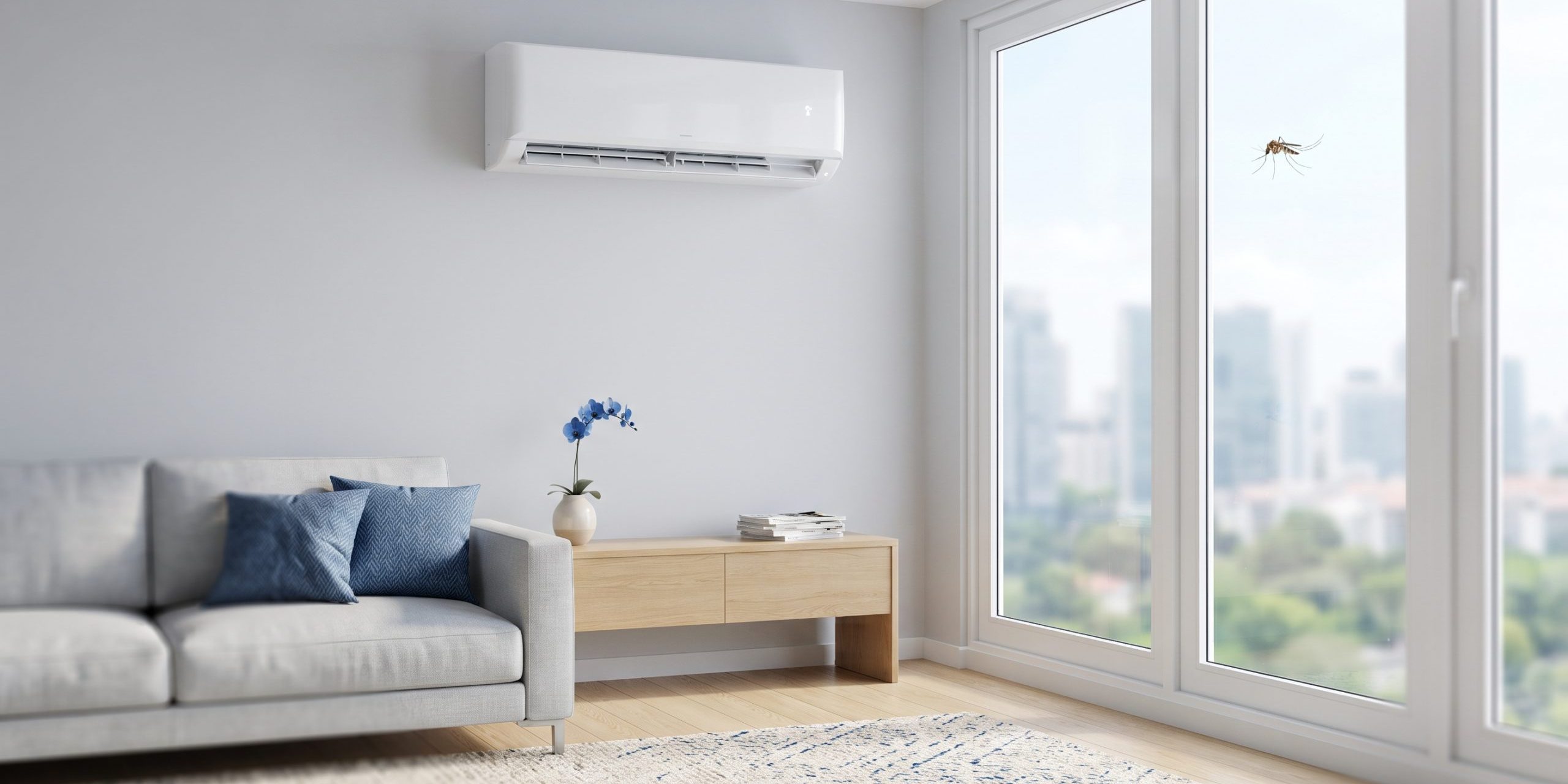
Proper aircon placement is just as important as buying a high-efficiency unit. In Singapore’s tropical climate, installing your indoor air conditioning units in the correct locations ensures maximum cooling efficiency, uniform temperature distribution, and lower electricity bills. Poor placement can lead to hot spots, frequent short-cycling, and uncomfortable cold drafts.
The industry categorizes aircon installation and positioning principles into distinct operational groups:
- Thermal Circulation & Airflow: Positioning units so that cooled air flows naturally across the room without direct obstruction.
- Bed & Seating Alignment: Avoiding direct airflow over beds, study desks, or sofas to prevent stiffness and respiratory discomfort.
- Drainage & Piping Efficiency: Ensuring a smooth downward gravity slope for condensate drainage pipes to prevent water leaks.
- Sunlight & Heat Load Management: Minimizing proximity to direct sunlight, kitchen heat sources, or external glass windows.
1. How to Choose the Best Spot for Your Aircon Installation
- Above Beds, Not Directly Over Them: Install the indoor unit on the wall adjacent to your bed rather than directly above your head or feet, directing louvers to circulate air around the room.
- Centralized Room Placement: Mount the unit in a central location that allows cooled air to disperse evenly across the entire space, avoiding blocked corners.
- Ensure Proper Drainage Sloping: Position the indoor unit near an exterior wall or existing drainage path to maintain a minimum 1-inch per meter downward slope for condensate water drainage.
2. Aircon Placement Best Practices & Positioning Reference Table
| Location / Room Type | Ideal Installation Spot | Why It Works Best | Avoid This Placement | Typical Installation Cost |
| Master Bedroom | On the side wall facing the foot of the bed or adjacent wall. | Circulates air evenly without blowing directly onto sleeping occupants. | Directly above the headboard or pillow area. | $150 – $300 (Per split set setup) |
| Living Room | Main seating area wall, centralized for open-concept airflow. | Cools high-traffic family zones quickly before heat disperses. | Directly facing main entrance doors or heavy sunlight windows. | $180 – $350 |
| Home Office / Study | Away from computer screens and direct desk seating. | Prevents dry eyes and chills during long working hours. | Directly above monitor desks or chairs. | $150 – $280 |
| Kitchen / Dining Area | Away from cooking stoves, hobs, and oil exhaust paths. | Prevents grease and smoke buildup from choking internal coils. | Directly above cooking ranges or ovens. | $200 – $400 |
3. DIY Assessment vs. Professional Installation Matrix
🛑 WARNING: Poor aircon placement resulting in improper drainage slopes or weak electrical wiring can lead to severe ceiling water leaks, short circuits, and voided manufacturer warranties. Always rely on certified installers.
🟢 Safe to DIY / Self-Check:
- Layout Planning: Map out room furniture layouts to identify ideal locations for smooth airflow circulation.
- Obstruction Clearance: Ensure curtains, tall cabinets, or decorative shelves will not block the indoor unit’s air intake or louvers.
- Remote Testing: Test remote control angles and signal reach from different seating areas in the room.
🔴 Requires Professional Installation Technician:
- Wall Core Drilling & Bracket Mounting: Safely drilling through reinforced concrete walls and securing heavy-duty outdoor compressor brackets.
- Refrigerant Line & Insulation Flare-ups: Bending copper pipes without kinking and wrapping them with thick thermal insulation.
- Drainage Slope Alignment: Calibrating exact gravity gradients to ensure zero water pooling or backflow leaks.
4. Summary: Key Rules for Perfect Aircon Placement
To guarantee long-term comfort and trouble-free operation, remember these core installation rules:
- Avoid Direct Drafts: Never position units to blow cold air directly onto people for hours.
- Prioritize Maintenance Access: Ensure technicians can easily access filters and covers for quarterly servicing.
- Hire Certified Experts: Professional installation guarantees safety, efficiency, and correct gas pressure balance.





