



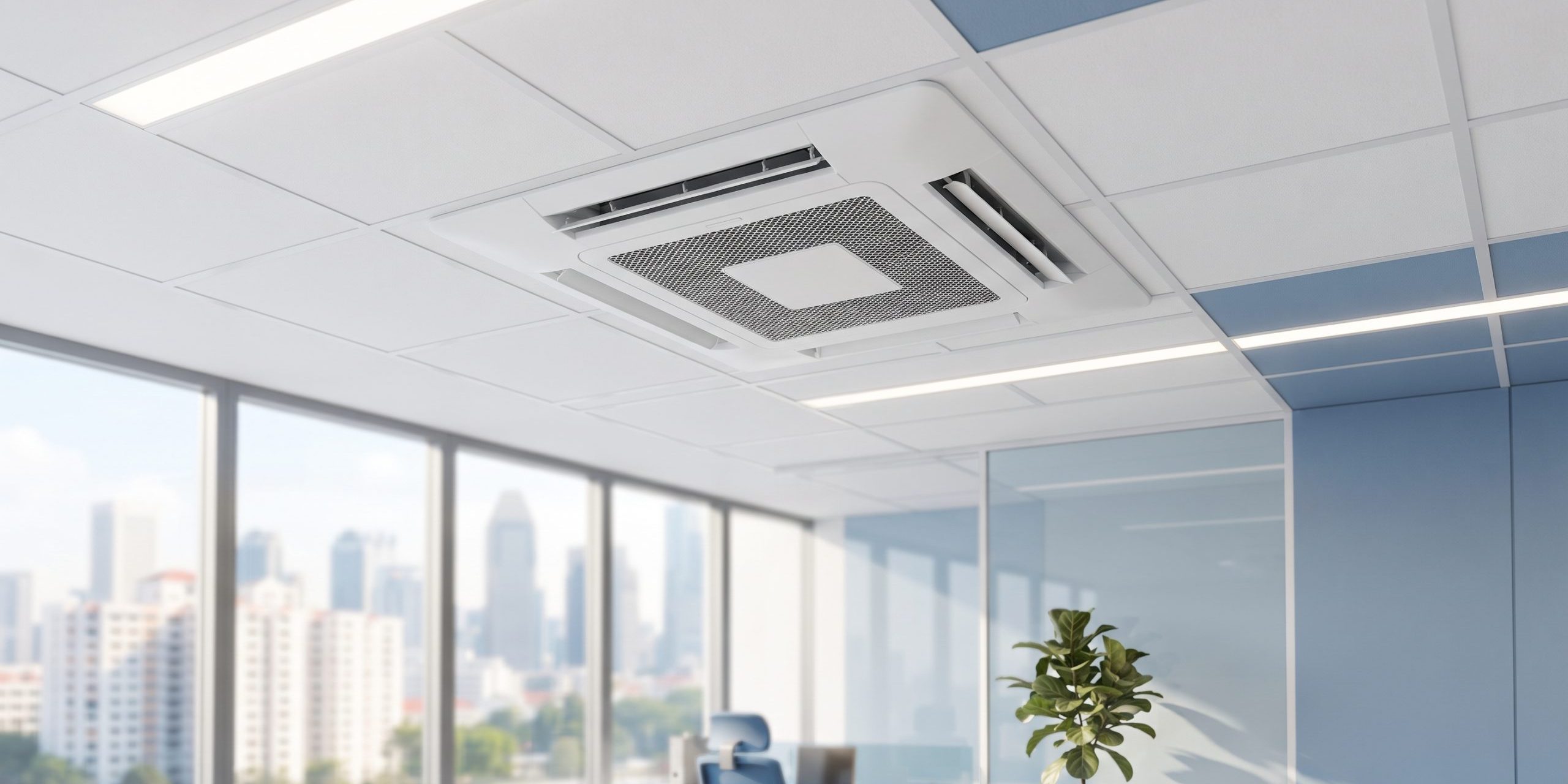
Ductless air conditioning systems—commonly known as mini-split or multi-split split-unit aircon systems—have become the absolute gold standard for residential and commercial cooling in Singapore. Unlike traditional centralized ducted systems that require bulky overhead false ceilings and intricate ductwork, ductless setups connect sleek indoor wall-mounted, cassette, or ceiling-suspended units directly to an outdoor compressor via compact copper piping and wiring.
Overview & Key Benefits Breakdown
Ductless systems offer distinct advantages tailored to Singapore’s tropical climate and urban housing layouts:
- Zone-by-Zone Independence: Cool only the rooms in use, eliminating wasted energy in empty bedrooms or home offices.
- Superior Energy Efficiency: Modern inverter-driven ductless compressors adjust speeds dynamically, earning high 4-to-5 tick NEA energy ratings.
- Space-Saving Design: No bulky ductwork means zero requirement for dropped ceilings, preserving precious room height in HDB flats and condominiums.
- Quiet Acoustic Performance: Operating as low as 19 dB(A), indoor blower units run whisper-quiet, perfect for light sleepers.
How to Plan and Maintain Your Ductless Aircon System
1.Determine BTU Capacities:Calculate room dimensions and thermal load requirements.
Match each room with the correct cooling capacity (e.g., 9,000 BTU for standard bedrooms and 18,000+ BTU for large living areas) to prevent overworking the system.
2.Perform Regular Upkeep:Schedule routine filter washes every 2 to 4 weeks.
Keep indoor mesh filters clean to ensure unobstructed airflow, optimal cooling efficiency, and freedom from mold build-up.
3.Schedule Preventive Maintenance:Book professional servicing every 3 to 6 months.
Have certified technicians clear drainage lines, check refrigerant pressures, and perform chemical washes to protect your hardware investment.
Ductless Aircon Cost & Performance Reference Table
| System Configuration | Typical Setup Price (Supply & Install) | Recommended Application | Maintenance Interval | Typical Servicing Cost |
| System 1 (Single-Split) | $1,100 – $1,700 | Single bedroom, studio apartment, or home office | Every 3 to 6 months | $35 – $90 per unit |
| System 2 (Multi-Split) | $1,900 – $2,550 | 2-room HDB or small apartment | Every 3 to 6 months | $35 – $90 per unit |
| System 3 (Multi-Split) | $2,700 – $3,600 | Standard 3-room / 4-room HDB flat | Every 3 to 6 months | $35 – $90 per unit |
| System 4 (Multi-Split) | $4,100 – $5,500 | 4-room / 5-room HDB or 3-bedroom condo | Every 3 to 6 months | $35 – $90 per unit |
| Chemical Overhaul | $120 – $250 per unit | Deep cleaning for stubborn mold and coil clogs | Once a year or as needed | Varies by scope |
DIY vs. Professional Maintenance Matrix
🟢 Safe to DIY
- Filter Washing: Removing and gently washing indoor mesh dust filters every 2 weeks to maintain clean airflow.
- Remote Programming: Setting optimal temperature setpoints (24°C – 26°C), eco modes, and automated sleep timers.
- External Clearance: Keeping the area surrounding the outdoor compressor unit free of clutter and dust buildup.
🔴 Requires Professional Servicing & Installation
- Refrigerant Pressure Testing & Gas Top-Ups: Handling specialized gauge manifolds, leak checks, and certified gas recharging.
- Chemical Overhauls & Coil Deep Cleaning: Stripping down indoor units to pressure-wash evaporator coils, blower drums, and drain trays.
- Electrical & Inverter PCB Diagnostics: Repairing high-voltage wiring, thermistor sensor failures, or inverter drive board issues.
⚠️ CRITICAL SAFETY WARNING: Never attempt to handle refrigerant lines, alter high-voltage electrical circuits, or open sealed inverter control modules independently. Always engage licensed professionals to avoid electric shock, chemical burns, or permanent equipment failure.





