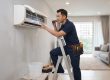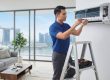


A common misconception among homeowners is that air conditioning systems pump fresh outdoor air directly into a room, or that they magically manufacture cold air from nothing. In reality, standard residential air conditioning units in Singapore operate on a recirculating closed-loop system.
Understanding where your aircon air actually originates, how it is thermally conditioned, and why indoor air hygiene matters helps maintain a healthier living environment. This comprehensive guide is brought to you by Aircon Servicing & Repair Singapore, located at 269 Bukit Batok East Ave 4, Singapore 650269 (Phone: +65 9855 3721).
1. Overview of the Recirculating Cooling Process
When your aircon is running, it does not draw fresh air from the outside through the outdoor compressor unit. Instead, it continuously cycles and treats the existing air enclosed within your room:
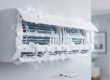
- The Air Intake Phase: The indoor wall-mounted unit draws in your room’s warm ambient air through the top intake grilles, passing it across mesh filters to capture large dust particles and lint.
- The Heat Exchange Phase: This warm air passes directly over freezing-cold copper evaporator coils filled with expanding liquid refrigerant. The refrigerant absorbs thermal heat from the air, dropping its temperature drastically.
- The Dehumidification Phase: As Singapore’s heavy humidity hits the ice-cold coils, moisture condenses into water droplets (similiar to condensation forming on a cold drink). This water collects in the drain pan and flows safely out through the drainage pipe.
- The Air Discharge Phase: The newly chilled and dried air is blown back out into the room via the internal blower wheel, lowering the overall room temperature.
2. Step-by-Step Guide: Managing Indoor Air Quality (IAQ)
Because your aircon constantly recycles the exact same indoor air for hours on end, whatever particles are floating in your room get pulled back into the system. Follow these steps to keep your indoor air safe and clean:
- Commit to Bi-Weekly Filter Washing:
- Since filters catch dust, pet dander, and microscopic debris during the intake phase, unwashed filters quickly choke up, forcing the system to blow trapped allergens back into your living space.
- Practice Daily Ventilation Habits:
- Open windows for 10 to 15 minutes each morning to let fresh outdoor oxygen in, flushing out built-up carbon dioxide ($CO_2$) and volatile organic compounds (VOCs) from furniture or paint.
- Control Indoor Relative Humidity:
- Keep room humidity between 50% and 60%. Proper drainage prevents stagnant moisture from pooling inside the indoor unit, stopping mold and bacteria colonies from multiplying on the blower wheel.
3. Air Source & Quality Comparison Table
| Air Source Type | Where the Air Originates | How It Is Conditioned | Potential Risks / Downsides | Best Management Practice |
| Indoor Recirculated Air (Standard Aircon) | Existing air inside your room. | Filtered, cooled, and dehumidified via evaporator coils. | Accumulates dust, mold spores, and allergens if filters are neglected. | Wash mesh filters every 2 weeks; schedule quarterly servicing. |
| Fresh Outdoor Air (Natural Ventilation) | Outside the building envelope. | None (Brought in via windows and doors). | Brings in outdoor haze, vehicle exhaust, pollen, and Singapore’s high humidity. | Keep windows closed during heavy haze or peak traffic hours. |
| Fresh Air Ventilation Systems (Mechanical Ducts) | Sourced from outdoors via specialized intake vents. | Filtered through HEPA/carbon filters before entering rooms. | Expensive installation overhead; requires dedicated ducting and maintenance. | Ideal for large landed homes or medical-grade clean spaces. |
4. Safe DIY vs. Professional Maintenance Matrix
⚠️ IMPORTANT SAFETY WARNING
Never attempt to dismantle indoor blower housing units, modify electrical wiring, or tamper with sealed refrigerant loops when trying to clean or inspect your aircon system. Always hire licensed professionals for deep maintenance work.
🟢 Safe to DIY (Homeowner Air Quality Care)
- Bi-Weekly Mesh Filter Cleaning: Remove, wash with mild soap, and sun-dry indoor mesh filters every two weeks to guarantee clean airflow intake.
- External Casing Wiping: Wipe down the outer plastic panels and louver flaps with a damp microfiber cloth to remove surface dust.
- Visual Drainage Check: Ensure condensate water flows smoothly through visible discharge tubes to prevent mold-breeding blockages.
- Routine Ventilation: Air out rooms naturally before turning on the aircon to maintain fresh oxygen levels.
🔴 Requires Professional Assistance (Certified Technicians)
- Chemical Overhauls & Deep Coil Cleaning: Dismantling indoor fan coil units to pressure-wash slimed blower wheels and mold-infested evaporator coils.
- Drainage Pipe Flushing: Using specialized high-pressure vacuum tools to clear severe algae and sludge clogs inside concealed drain lines.
- Refrigerant & Leak Checks: Fixing low gas levels that prevent coils from dropping to the correct temperature for proper cooling and dehumidification.
- Blower Wheel Disinfection: Applying medical-grade anti-bacterial treatments to eliminate stubborn musty odors and micro-organisms circulating in the air.
For professional aircon servicing, chemical cleaning, or deep decontamination across Singapore, contact Aircon Servicing & Repair Singapore at 269 Bukit Batok East Ave 4, Singapore 650269 or call our hotline at +65 9855 3721.