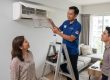
Installing a new air conditioning system is one of the most critical investments for any home or office in Singapore. Given the tropical climate, understanding the comprehensive breakdown of equipment, materials, labor, and hidden variables prevents unexpected expenses.
- Market Overview: Prices vary depending on whether you are outfitting a 3-room HDB flat, a multi-room condominium, or a landed property. Selection criteria typically involve choosing between 5-tick energy-efficient inverter systems (such as Daikin, Mitsubishi Electric) and mid-tier alternatives.
- Core Components of Installation: Total cost comprises the physical units (indoor fan coils and outdoor compressor), high-grade copper piping, insulation thickness, drainage PVC pipes, electrical wiring, and bracket mounting.
1. Split-Type Aircon Installation Price Guide
The table below outlines the typical estimated cost range (including equipment and standard installation labor) for residential multi-split setups in Singapore.
| System Configuration | Description | Typical Property Match | Estimated Price Range (SGD) |
| System 1 | 1 Indoor Unit + 1 Outdoor Compressor | Single bedroom, studio, or rental room | $1,050 – $1,700 |
| System 2 | 2 Indoor Units + 1 Outdoor Compressor | 2-Room / 3-Room HDB flats | $1,900 – $2,550 |
| System 3 | 3 Indoor Units + 1 Outdoor Compressor | Standard 4-Room / 5-Room HDB flats | $2,700 – $3,600 |
| System 4 | 4 Indoor Units + 1 Outdoor Compressor | Large 5-Room HDB / Executive Condos | $4,100 – $5,500 |
| System 5 | 5 Indoor Units + 1 Outdoor Compressor | Large Condominiums / Landed Properties | $5,600 – $7,100 |
2. Key Cost Factors & Additional Line Items
- Piping & Trunking Extensions: Standard packages usually cover up to 15 metres of piping. Extra runs cost approximately $25 to $40 per metre.
- Old System Dismantling & Disposal: Removing and responsibly clearing legacy units ranges from $150 to $250.
- Stainless Steel Bracket: Required for outdoor compressors mounted on external walls, costing between $130 and $180.
- Material Grade Quality: Insist on SWG 22 thick copper pipes and 15mm/16mm insulation to prevent condensation and premature refrigerant leaks.
3. DIY vs. Professional Installation Matrix
🟢 Safe to DIY / Prepare
- Site Clearance: Clear furniture, curtains, and obstructions around designated indoor wall units and paths to windows/balconies to speed up work.
- Brand Selection & Sourcing: Researching energy ratings (NEA 5-tick labels) and capacity requirements (BTUs per room size) beforehand.
- Verifying Quotations: Checking that contractors include GST, warranty coverage, and a post-installation workmanship guarantee in writing.
🔴 Requires Professional Execution
- Refrigerant Line Brazing & Vacuuming: Demands specialized torch welding and micron gauge vacuum testing to dehydrate lines.
- Electrical High-Voltage Connections: Tying into the main home power box or installing dedicated double-pole switches and isolators.
- Wall Hacking & Core Drilling: Cutting through reinforced concrete beams or walls for concealed piping paths safely.
⚠️ CRITICAL WARNING
Never cut corners with cheap, non-standard materials: Using substandard 23-gauge copper pipes or thin insulation to save a small initial amount frequently leads to early gas leaks, chemical corrosion, and costly wall water-damage repairs worth thousands of dollars within 2 to 3 years.